
-
Wood & Bamboo Protection Solutions
Anti-Mold &Antibacterial Protection
Solutions for Wood &BambooProfessional anti-mold, antibacterial, and waterproofing treatments
for wood and bamboo materials. Designed to protect building
materials, outdoor landscaping, and wooden furniture from
degradation caused by moisture and fungal growth.TECHNICAL CONSULTATION
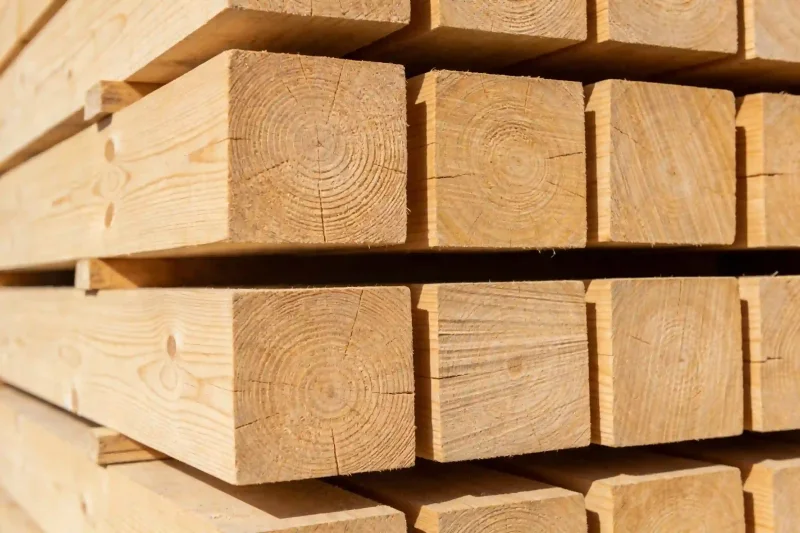
Industry Overview
Protecting Wood & Bamboo from Fungi and
Moisture
Wood and bamboo are natural, renewable materials that are highly susceptible to biological decay
caused by moisture, fungal rot, and blue stain fungi.
In the woodworking and bamboo processing industry, product lifespan is often determined by environmental
exposure. Effective preservation treatments must balance deep penetration, compatibility with adhesives or coatings,
and safety standards for indoor use. ADMIRE offers targeted systems to protect wood and bamboo against blue stain
fungi, white rot, and moisture degradation.
Industry Challenges
Common Wood & Bamboo Degradation Risks
Blue Stain & Surface Molds
Freshly cut timber and bamboo are highly susceptible to blue stain fungi and surface molds, especially in humid climates, leading to discoloration and economic loss. Common molds include Aspergillus, Penicillium, and Trichoderma.
Rotting from Moisture & Weathering
Continuous exposure to rain, sun, and humidity leads to rotting, cracking, and warping of wood and bamboo. The high starch and sugar content in bamboo also makes it especially prone to moisture absorption.
Compatibility & Aesthetics
Treatments must protect against fungal growth while preserving the natural color, grain,
and tactile feel of the wood, without
affecting adhesives, paints, or varnishes
used in subsequent finishing.
Risk Scenarios
Common Microbial Risk Scenarios for Wood &
Bamboo
Different stages, materials, and use environments face distinct microbial threats. Our solutions are
tailored to match specific anti-mold, antibacterial, and moisture control needs.
🏗️ 01. Raw Material & Processing
Fresh Timber and Bamboo Treatment
Freshly harvested wood and bamboo contain high moisture content and nutrients such as starch, sugar, and protein. Without immediate treatment, these materials are susceptible to rapid mold growth and blue stain within months.
🚨 Key Consideration: Immediate anti-mold treatment after harvesting is critical to prevent blue stain damage before further processing.
🏬 02. Storage & Warehousing
Moisture and Mold in Long-Term Storage
Wood and bamboo products stored in warehouses with poor ventilation and high relative humidity face increased mold risk. Improper stacking blocks airflow, creating localized humidity pockets.
🚨 Microbial Threat: Prolonged exposure to high humidity can lead to mold growth on product surfaces, causing staining and quality rejection.
🌳 03. Outdoor & High-Exposure Applications
Weathering and Moisture Protection
Wooden decking, fences, garden furniture, and landscaping materials face continuous exposure to rain, sunlight, and temperature variations. These conditions accelerate moisture absorption and fungal decay.
🚨 Microbial Threat: Untreated outdoor wood may need replacement within a few years, while properly treated products can last significantly longer.
🏠 04. Interior & Furniture Applications
Indoor Quality and Aesthetics
Wooden furniture, flooring, and interior decorations require protection that preserves natural grain and color while preventing mold growth in humid indoor environments such as bathrooms and kitchens.
🚨 Microbial Threat: Surface mold and mildew can permanently damage the aesthetics of finished wood products.
🛡️ A Structured Approach to Wood & Bamboo Protection
1. Treatment Selection
Select an appropriate anti-mold, antibacterial, or waterproofing treatment based on the wood species and intended application.
2. Proper Drying
Ensure wood and bamboo are properly dried to their target moisture content before processing to reduce fungal growth risk.
3. Application Method
Choose the right treatment method: vacuum-pressure impregnation for deep protection, or surface application for finishing.
4. Quality Verification
Confirm the treatment provides effective protection without affecting the wood's natural appearance or mechanical properties.
Our Solutions
A Protection System Matched to Your Wood &
Bamboo Application
ADMIRE helps identify suitable protective products based on wood species, processing conditions,
and target performance requirements.
01 — Anti-Mold Protection
Reduce Mold & Blue Stain Risk
Anti-mold treatments can be applied to wood and bamboo materials exposed to moisture during production, storage, or end-use applications.
02 — Antibacterial Protection
Add Antibacterial Function
Antibacterial formulations can be used for high-touch wood surfaces such as cutting boards, kitchen tools, and furniture requiring hygiene, odor control, or antibacterial performance.
03 — Waterproofing
Enhance Moisture Resistance
Water-repellent agents reduce moisture absorption, helping to prevent rot, swelling, and dimensional instability in outdoor applications.
04 — Material Compatibility
Adapt to Your Production Process
Product selection should consider wood species, treatment method (pressure/dip/brush), drying conditions, and required end-use performance.
Recommended Products
Wood & Bamboo Protection Products
Select the appropriate solution based on material type, processing method, and
required protection performance.
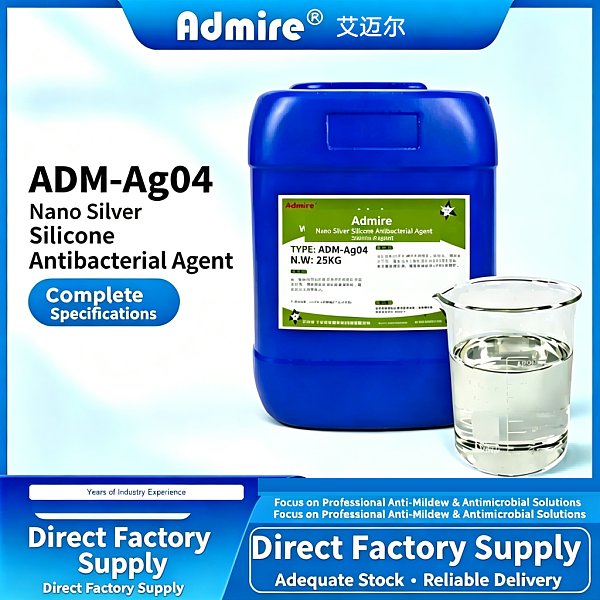
 ADM-Ag04 Nano Silver Silicone Antibacterial AgentADM-Ag04 is a nano silver antibacterial agent specially designed for silicone products. It contains nano silver particles of approximately 10 nm and provides long-lasting antimicrobial protection for suitable silicone formulations, with good compatibility in anionic and nonionic surfactant systems.
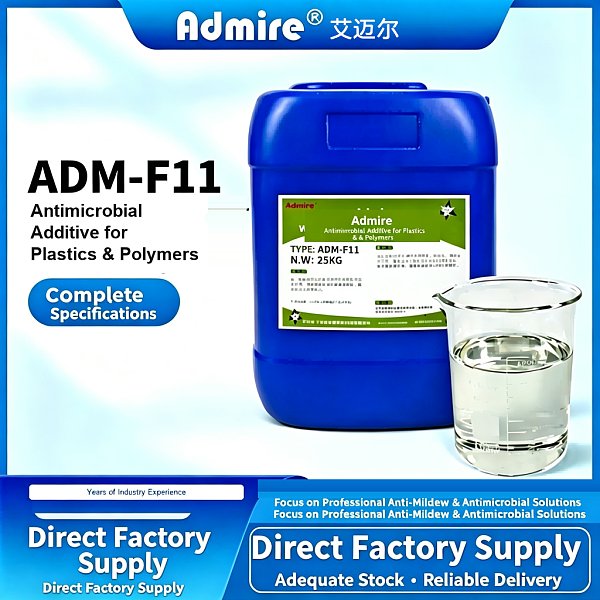
 ADM-F11 Antimicrobial Additive for Plastics & PolymersADM-F11 Antimicrobial additive for plastics and polymers based on N-(trichloromethylthio)phthalimide. Designed to control microbial and fungal growth in PVC, TPE, TPU, silicone sealants, and polymer-coated textiles.
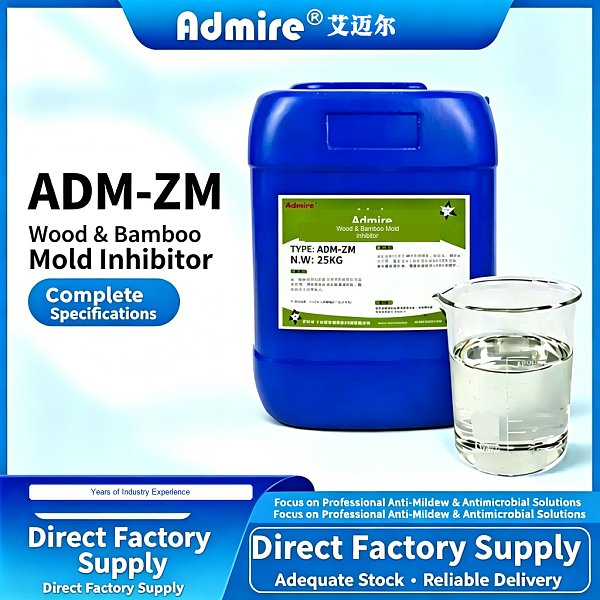
 ADM-ZM Wood & Bamboo Mold InhibitorADM-ZM wood mold inhibitor solutions are designed to help protect timber, wood products, and bamboo materials from mold and mildew growth caused by moisture, humidity, and long-term storage. Suitable for wood processing, furniture, flooring, packaging, bamboo products, and other wood-based applications, our solutions can be selected according to the material, processing method, and required protection period.
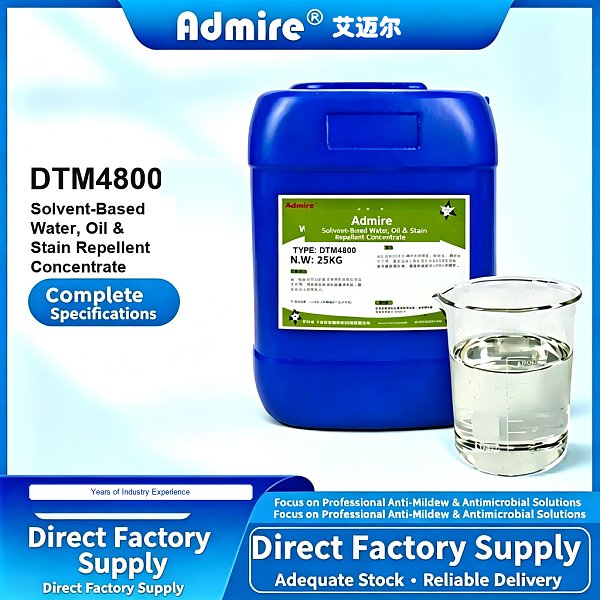
 DTM4800 Solvent-Based Water, Oil & Stain Repellent ConcentrateDTM4800 Solvent-based fluorinated resin concentrate for durable water, oil, and stain repellency on leather, textiles, and more. No heat curing required.
Solution Development Process
From Material Evaluation to Performance Testing
Confirm wood/bamboo species, moisture content, and intended application environment.
Select suitable protective treatment based on material and target performance.
Evaluate appropriate dosage and application conditions through small-scale trials.
Optimize treatment method, drying, and curing conditions to achieve consistent performance.
Verify anti-mold, antibacterial, and waterproofing performance while checking appearance and dimensional stability.
Applications
Wood & Bamboo Applications We Support
Our protection solutions can be adapted to a wide range of wood and
bamboo products and industries.
Construction Timber
Framing & structural wood
Outdoor Landscaping
Decking, fences & garden furniture
Furniture Manufacturing
Wood & bamboo furniture parts
Engineered Wood
Plywood, OSB, finger-jointed timber
Wooden Packaging
Pallets, crates & transport boxes
Kitchenware & Toys
Cutting boards & wood toys
Technical Considerations
What Should Be Confirmed Before Production?
Material & Process
- Wood / bamboo species and moisture content
- Treatment method (Pressure / Dip / Brush)
- Post-treatment drying and conditioning
- Surface coating compatibility
Performance Requirements
- Target anti-mold or antibacterial performance
- Expected outdoor or indoor service life
- Warranty period requirements
- Applicable regional export standards (US / EU / Asia)
FAQ
Frequently Asked Questions
Pure silicone does not provide nutrients for mold growth. However, organic residues on the surface—from processing aids, skin oils, food, or environmental dust—can support microbial growth. Proper cleaning and surface protection help prevent this issue.
This depends on the additive type and dosage. Some silver-based or organic additives may cause slight discoloration at higher dosages. We recommend compatibility testing to confirm transparency, color, and appearance before full production.
Typical dosage ranges from 0.5% to 2.0% by weight, depending on the silicone grade, protection level required, and processing conditions. The final dosage should be confirmed through laboratory testing.
Some formulations can be used in food-contact applications, but regulatory compliance must be confirmed based on the specific additive and target market. Please inform our technical team of your intended use so we can recommend the appropriate product.
Common test methods include ASTM G21 (fungal resistance), ISO 846 (microbial resistance), and ISO 22196 (antibacterial activity on plastics and non-porous surfaces). Our team can assist with test selection based on your application and target market.
Not Sure Which Plastic Protection Solution Fits Your
Application?
Share your polymer type, processing conditions, and target performance
requirements with our technical team. We can help identify suitable products
for evaluation and testing.
Thank you very much for writing to us. Please leave your message and contact information, we will reply to you within 24 hours.