
-
Silicone Product Industry Solutions
Anti-Mold &
Antibacterial Solutions
for Silicone ProductsProfessional protection solutions for silicone products used in
kitchen, bathroom, medical, outdoor, and industrial applications.
Designed to prevent mold growth, biofilm formation, and microbial
contamination while preserving silicone flexibility, clarity, and safety.TECHNICAL CONSULTATION
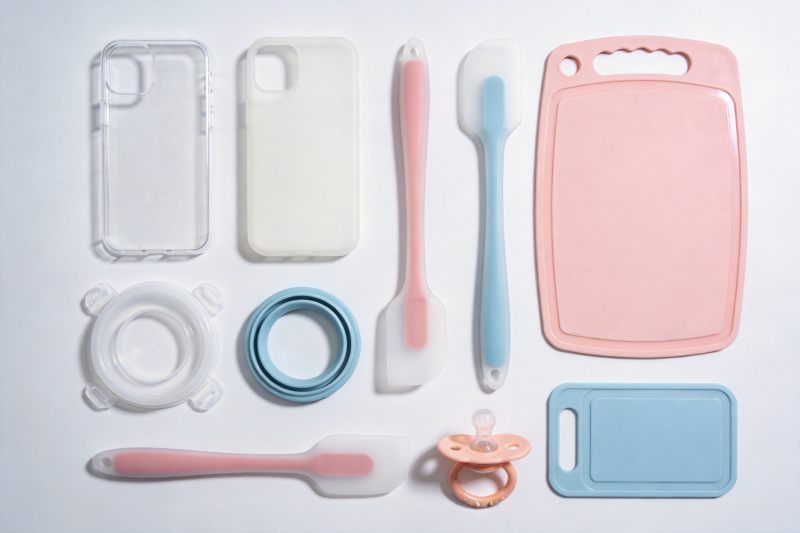
Industry Overview
Understanding Mold Risks in Silicone Products
Silicone itself does not support microbial growth, but industrial silicone products can become
contaminated through organic residues and environmental exposure.
Silicone is valued for its heat resistance, flexibility, and chemical stability. However, during production and use,
silicone products may develop mold or bacterial issues due to processing aid residues, absorbed organic matter,
high-humidity environments, or complex composite structures. Effective protection requires a systematic approach
that starts with raw material control and continues through processing, surface treatment, and end-use maintenance.
Industry Challenges
Common Coating Protection Challenges
Surface Mold Growth
Organic residues from mold release agents, skin oils, food, or dust can support mold proliferation on silicone surfaces, especially on light-colored or translucent products.
Odor Development
Microbial activity on contaminated silicone surfaces can produce unpleasant odors, a common complaint in reusable silicone bags, seals, and personal care items.
Discoloration & Staining
Mold growth can cause permanent black, green, or pink stains on silicone surfaces, negatively affecting product aesthetics and consumer perception.
Risk Scenarios
Key Application Areas with Elevated Microbial
Risks
Different silicone applications face distinct microbial threats. Our solutions are tailored to address
the specific risk profile of each sector.
🍽️ 01. Kitchen & Food Contact
Sealing Rings, Baking Molds, Food Storage Lids
Frequent contact with food residues, oils, and moisture creates an ideal environment for mold and bacteria. Products may develop black spots, slime, or unpleasant odors if not properly protected.
🚨 Key Risk: Food safety and consumer health concerns, as well as product return and brand damage.
🚿 02. Bathroom & Home Appliances
Shower Seals, Washing Machine Gaskets, Dishwasher Parts
Persistent humidity, soap residue, and warm temperatures promote mold growth and biofilm formation. These components are often difficult to clean thoroughly, increasing the risk of odor and staining.
🚨 Key Risk: Unsightly black mold, musty odors, and reduced sealing performance over time.
🏥 03. Medical & Personal Care
Catheters, Masks, Prosthetic Liners, Respiratory Components
Continuous contact with body fluids, skin, and tissues can lead to bacterial colonization. Biofilm formation on medical silicone is a serious concern for patient safety and product performance.
🚨 Key Risk: Infection risk and device failure; requires biocompatible antimicrobial strategies.
🏞️ 04. Outdoor & Industrial
Seals, Gaskets, Keypads, Protective Covers
Exposure to rain, dust, organic debris, and temperature cycling can lead to surface contamination. In industrial environments, oil mist and particulate matter further increase the risk of microbial attachment.
🚨 Key Risk: Reduced component lifespan, sealing failure, and maintenance problems.
🛡️ A Structured Approach to Silicone Protection
1. Raw Material Control
Evaluate silicone grade, filler type, and residual processing aids.
2. Formulation Integration
Incorporate compatible anti-mold or antibacterial additives during compounding.
3. Surface Protection
Apply post-treatment or coatings for finished parts, seals, and components.
4. Performance Verification
Test against ASTM, ISO, GB, or JIS standards for mold and bacteria resistance.
Our Solutions
A Protection System Matched to Your Coating
Application
ADMIRE helps identify suitable protective products based on silicone type, processing method, and
target performance requirements.
In-Matrix Anti-Mold Additives
Built-in Protection for Long-Term Performance
Thermally stable additives incorporated during compounding to provide lasting mold resistance without affecting silicone flexibility or clarity.
02 — Surface Anti-Mold Treatment
Post-Treatment for Finished Silicone Parts
Easy-to-apply surface treatments for existing silicone products, including seals, gaskets, and medical components, to prevent biofilm formation.
03 — Antibacterial Additives
Hygienic Functionality for High-Touch Surfaces
Silver-based or organic antibacterial additives suitable for medical, personal care, and food-contact silicone applications.
04 — Material Compatibility
Maintain Silicone Performance
Selection considers curing temperature, hardness, transparency, and regulatory requirements to ensure compatibility.
Recommended Products
Silicone Protection Products
Select the appropriate solution based on silicone type, processing method, and required protection
performance.
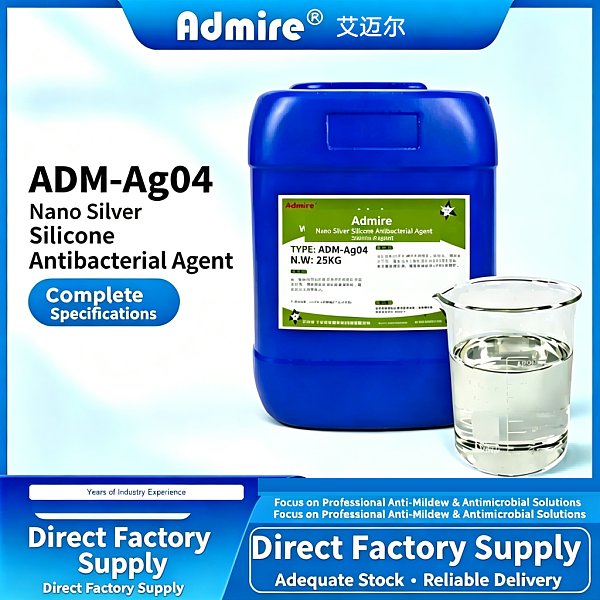
 ADM-Ag04 Nano Silver Silicone Antibacterial AgentADM-Ag04 is a nano silver antibacterial agent specially designed for silicone products. It contains nano silver particles of approximately 10 nm and provides long-lasting antimicrobial protection for suitable silicone formulations, with good compatibility in anionic and nonionic surfactant systems.
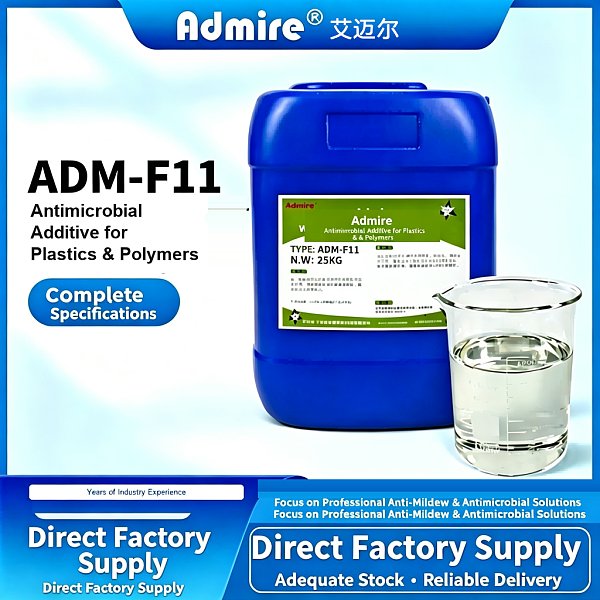
 ADM-F11 Antimicrobial Additive for Plastics & PolymersADM-F11 Antimicrobial additive for plastics and polymers based on N-(trichloromethylthio)phthalimide. Designed to control microbial and fungal growth in PVC, TPE, TPU, silicone sealants, and polymer-coated textiles.
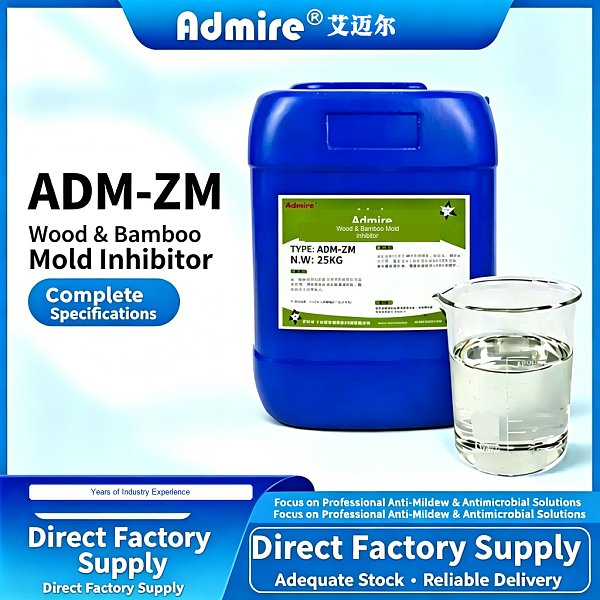
 ADM-ZM Wood & Bamboo Mold InhibitorADM-ZM wood mold inhibitor solutions are designed to help protect timber, wood products, and bamboo materials from mold and mildew growth caused by moisture, humidity, and long-term storage. Suitable for wood processing, furniture, flooring, packaging, bamboo products, and other wood-based applications, our solutions can be selected according to the material, processing method, and required protection period.
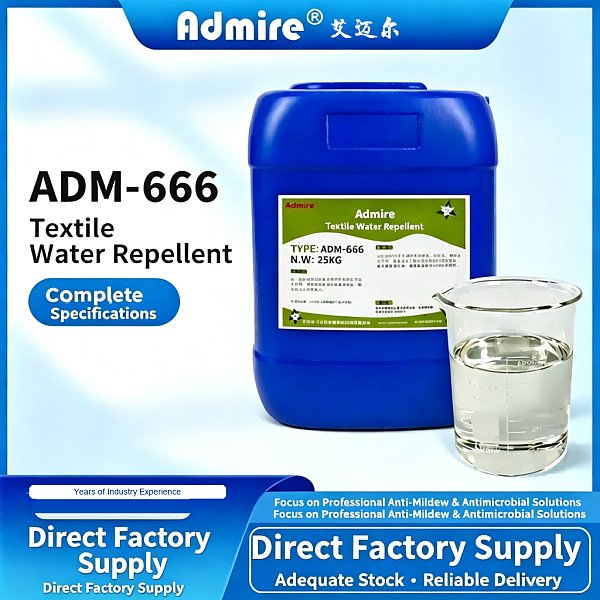
 ADM-666 Textile Water Repellent AgentADM-666 is a water-based fluoropolymer water-repellent agent designed for textile fabrics. It is suitable for polyester, nylon, polyester/cotton blends, and especially cotton fabrics. The treatment creates a hydrophobic surface to provide durable water repellency while helping maintain fabric breathability and original hand feel.
Solution Development Process
From Material Evaluation to Performance Testing
Confirm silicone type, filler, processing aids, and intended application environment.
Select suitable anti-mold or antibacterial additive based on silicone grade and target performance.
Evaluate appropriate dosage and compatibility through small-scale compounding or surface treatment trials.
Optimize mixing, curing, and surface treatment conditions to achieve consistent protection.
Verify the relevant protective performance while checking coating appearance, adhesion, and other application-specific properties.
Applications
Silicone Applications We Support
Our protection solutions can be adapted to a wide range of silicone products and industries.
Kitchen & Food Contact
Seals, molds, lids, nipples
Bathroom & Appliances
Gaskets, shower seals, washer parts
Medical & Personal Care
Catheters, masks, respiratory components
Automotive & Outdoor
Seals, keypads, protective covers
Electronics & Industrial
Encapsulation, gaskets, vibration dampeners
Industrial Equipment
Gaskets, seals, protective components
Technical Considerations
What Should Be Confirmed Before Production?
Material & Process
- Silicone type (HTV, LSR, RTV)
- Filler system and processing aids
- Curing temperature and time
- Addition point in compounding line
Performance Requirements
- Target mold resistance or antibacterial performance
- Transparency and color requirements
- Hardness and mechanical properties
- Regulatory compliance (FDA, ISO 10993, REACH, etc.)
FAQ
Frequently Asked Questions
Pure silicone does not provide nutrients for mold growth. However, organic residues on the surface—from processing aids, skin oils, food, or environmental dust—can support microbial growth. Proper cleaning and surface protection help prevent this issue.
This depends on the additive type and dosage. Some silver-based or organic additives may cause slight discoloration at higher dosages. We recommend compatibility testing to confirm transparency, color, and appearance before full production.
Typical dosage ranges from 0.5% to 2.0% by weight, depending on the silicone grade, protection level required, and processing conditions. The final dosage should be confirmed through laboratory testing.
Some formulations can be used in food-contact applications, but regulatory compliance must be confirmed based on the specific additive and target market. Please inform our technical team of your intended use so we can recommend the appropriate product.
Common test methods include ASTM G21 (fungal resistance), ISO 846 (microbial resistance), and ISO 22196 (antibacterial activity on plastics and non-porous surfaces). Our team can assist with test selection based on your application and target market.
Not Sure Which Plastic Protection Solution Fits Your
Application?
Share your polymer type, processing conditions, and target performance
requirements with our technical team. We can help identify suitable products
for evaluation and testing.
Thank you very much for writing to us. Please leave your message and contact information, we will reply to you within 24 hours.