
-
Coatings & Paint Industry Solutions
Anti-Mold &
Antibacterial Solutions
for Coatings & PaintsProfessional anti-mold and antibacterial protection solutions for
coating formulations and coated surfaces. Product selection can be
evaluated according to the resin system, application environment,
and target protection requirements.TECHNICAL CONSULTATION
Industry Overview
Protecting Coatings from Microbial Degradation
Coating formulations and coated surfaces may face microbial risks during raw material handling,
production, storage, application, and end use.
Waterborne coatings generally require particular attention to microbial control because moisture and organic
components can support microbial growth. Depending on the formulation and end use, protection may involve in-
can preservation to help control microbial spoilage before application and dry-film protection to help reduce mold
growth on the cured surface. Product selection should also consider coating performance, appearance, and
formulation compatibility.
Industry Challenges
Common Coating Protection Challenges
In-Can Spoilage & Microbial Deterioration
Waterborne paints are susceptible to bacterial and fungal growth in the container, potentially causing changes in viscosity, pH, odor, and overall product stability.
Dry-Film Mold Growth
Cured coating films exposed to humid or contamination-prone environments may develop mold growth, leading to staining, discoloration, and surface quality concerns.
Raw Material Contamination
Raw materials, process water, production equipment, and certain formulation components can introduce or support microbial contamination, increasing the need for appropriate formulation and process control.
Risk Scenarios
Microbial Risk Stages Across the Coating Lifecycle
Different stages of production, storage, application, and use create distinct microbial threats.
Our solutions can be selected and evaluated according to the specific risk stage,
coating formulation, and target protection requirements.
01 — PRODUCTION & RAW MATERIALS
Raw Material and In-Line Contamination
During raw material handling and production, process water, equipment, airborne contamination, and formulation components can introduce microorganisms into waterborne coating systems.
Key Risk: Uncontrolled microbial contamination may contribute to spoilage and inconsistent product quality.
02 — IN-CAN STORAGE
Open-Container Spoilage & Odor
After a container is opened, repeated exposure to the surrounding environment can increase the risk of contamination. Waterborne coatings may require effective preservation throughout storage and use, particularly when formulation conditions support microbial growth.
Key Risk: Microbial growth may cause odor, viscosity changes, or reduced product stability when preservation is inadequate.
03 — APPLICATION & CURING
Surface Contamination During Film Formation
During application and drying, wet films may be exposed to airborne spores and environmental contamination. Humid or poorly ventilated conditions can extend drying time and increase surface exposure to moisture.
Key Risk: Surface contamination during film formation can increase the risk of visible mold growth or surface quality issues in suitable environments.
04 — DRY-FILM & END USE
Mold Growth on Cured Coatings
Once the coating is cured and in service, long-term exposure to humidity, surface contamination, and suitable nutrients can increase the risk of mold growth in moisture-prone environments.
Key Risk: Mold growth on dry films can cause staining, discoloration, and surface quality concerns.
A STRUCTURED APPROACH TO COATING PROTECTION
1. Raw Material Control
Assess raw material quality, process conditions, and potential contamination sources before production.
2. In-Can Preservation
Select suitable in-can preservatives according to the formulation, target shelf life, and applicable requirements.
3. Dry-Film Protection
Select suitable dry-film protection for coating applications exposed to mold-prone service environments.
4. Compatibility Verification
Verify compatibility with the resin system and formulation to help maintain coating performance and appearance.
Our Solutions
A Protection System Matched to Your Coating
Application
ADMIRE helps identify suitable protective products based on coating type, application
environment, and target performance requirements.
01 — In-Can Preservation
Prevent Spoilage & Extend Shelf Life
Suitable preservative systems can be evaluated for waterborne coatings requiring improved resistance to microbial spoilage during production and storage.
02 — Dry-Film Anti-Mold
Long-Term Surface Protection
Anti-mold additives can be evaluated for coating systems requiring improved resistance to mold growth on cured films in moisture-prone environments.
03 — Antibacterial Coatings
Hygienic Surface Functionality
Antibacterial additives can be evaluated for coated surfaces where enhanced hygiene performance is required, subject to application-specific suitability and compliance requirements.
04 — Material Compatibility
Maintain Coating Performance
Product selection considers resin type, pigment loading, pH range, curing conditions, and final application to ensure compatibility.
Recommended Products
Coating Protection Products
Select the appropriate solution based on coating type, application environment, and required
protection performance.
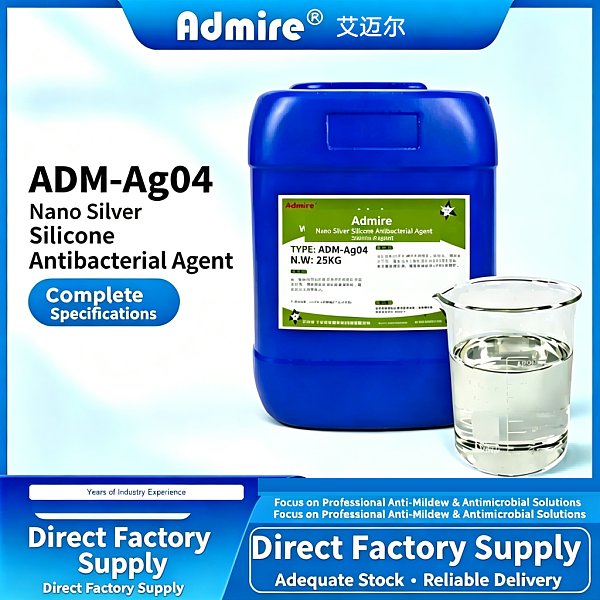
 ADM-Ag04 Nano Silver Silicone Antibacterial AgentADM-Ag04 is a nano silver antibacterial agent specially designed for silicone products. It contains nano silver particles of approximately 10 nm and provides long-lasting antimicrobial protection for suitable silicone formulations, with good compatibility in anionic and nonionic surfactant systems.
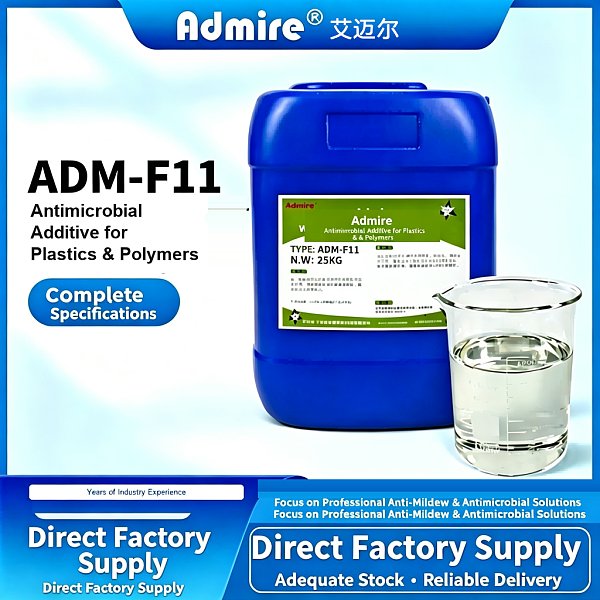
 ADM-F11 Antimicrobial Additive for Plastics & PolymersADM-F11 Antimicrobial additive for plastics and polymers based on N-(trichloromethylthio)phthalimide. Designed to control microbial and fungal growth in PVC, TPE, TPU, silicone sealants, and polymer-coated textiles.
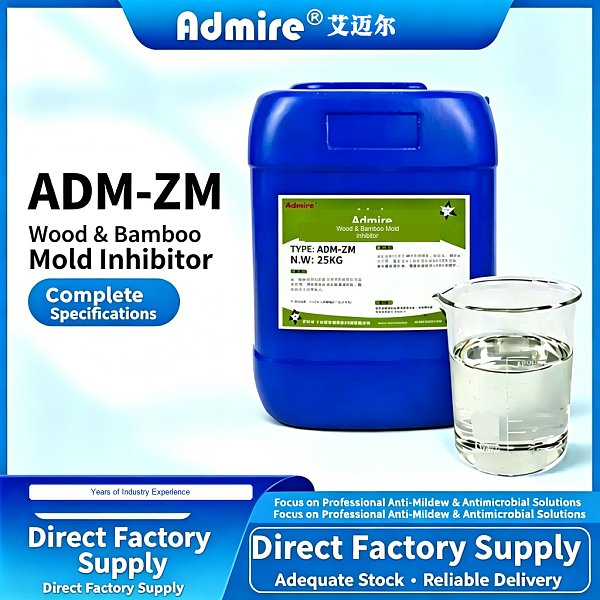
 ADM-ZM Wood & Bamboo Mold InhibitorADM-ZM wood mold inhibitor solutions are designed to help protect timber, wood products, and bamboo materials from mold and mildew growth caused by moisture, humidity, and long-term storage. Suitable for wood processing, furniture, flooring, packaging, bamboo products, and other wood-based applications, our solutions can be selected according to the material, processing method, and required protection period.
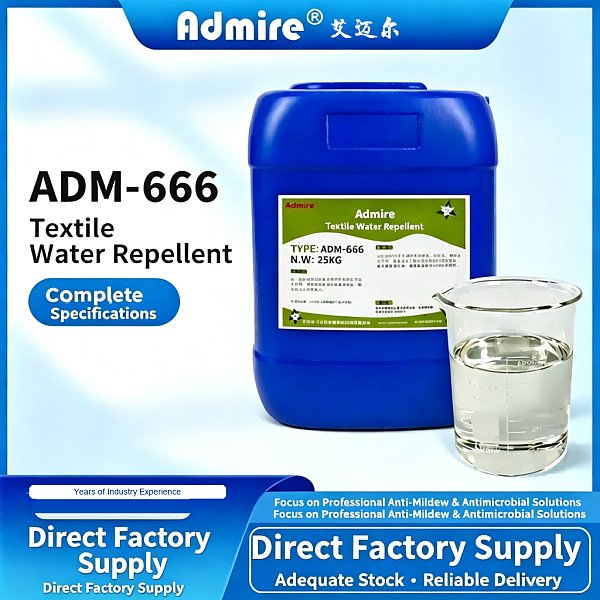
 ADM-666 Textile Water Repellent AgentADM-666 is a water-based fluoropolymer water-repellent agent designed for textile fabrics. It is suitable for polyester, nylon, polyester/cotton blends, and especially cotton fabrics. The treatment creates a hydrophobic surface to provide durable water repellency while helping maintain fabric breathability and original hand feel.
Solution Development Process
From Material Evaluation to Performance Testing
Confirm coating type, resin system, and intended application environment.
Select suitable anti-mold or antibacterial additive based on coating type and target performance.
Evaluate appropriate dosage and compatibility with the coating formulation through small-scale trials.
Optimize addition point, mixing conditions, and curing process to achieve consistent performance.
Verify the relevant protective performance while checking coating appearance, adhesion, and other application-specific properties.
Applications
Coating Applications We Support
Our protection solutions can be adapted to a wide range of coating products and industries.
Architectural Coatings
Interior & exterior wall paints
Industrial Coatings
Equipment & machinery paints
Automotive Coatings
Vehicle body & interior
Marine Coatings
Ships & offshore structures
Wood Coatings
Pallets, crates & transport boxes
Specialty Coatings
Specialized coating applications
Technical Considerations
What Should Be Confirmed Before Production?
Material & Process
- Coating type (waterborne / solvent-based / powder)
- Resin system and pigment loading
- pH range and curing conditions
- Addition point in production line
Performance Requirements
- Target anti-mold or antibacterial performance
- In-can shelf life requirements
- Dry-film durability in humid environments
- Applicable customer, regional, or regulatory requirements
FAQ
Frequently Asked Questions
Depending on the formulation and target performance, compatible systems for in-can preservation, dry-film mold protection, or antibacterial functionality can be evaluated. The appropriate approach should be confirmed through formulation and application testing.
The recommended dosage depends on the coating type, water content, pH, raw material quality, target shelf life, and intended application environment. Contact our technical team for a product-specific recommendation.
When properly selected and evaluated, protective additives can be designed to minimize their impact on color, gloss, clarity, and other key coating properties. Compatibility should be verified through application testing.
Yes. Please share your coating type, resin system, application environment, and target performance requirements. Our technical team can help identify suitable samples for evaluation.
Not Sure Which Plastic Protection Solution Fits Your
Application?
Share your polymer type, processing conditions, and target performance
requirements with our technical team. We can help identify suitable products
for evaluation and testing.
Thank you very much for writing to us. Please leave your message and contact information, we will reply to you within 24 hours.