
-
Plastic Industry Solutions
Anti-Mold &
Antibacterial Masterbatch
Solutions for PlasticsProfessional anti-mold and antibacterial protection solutions
designed for PP, PE, ABS, PA, PVC, and other polymer substrates.
Solutions are selected according to the polymer type, processing
conditions, and target performance requirements.TECHNICAL CONSULTATION
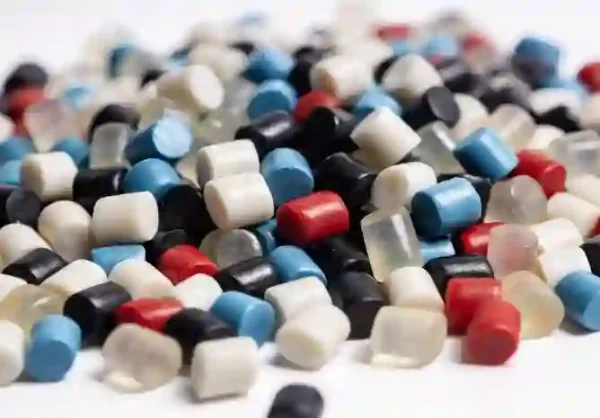
Industry Overview
Protecting Textiles from Mold, Bacteria and
Moisture-Related Risks
Plastic products may be exposed to mold growth, microbial contamination, and surface hygiene
challenges during storage and end-use, depending on the material and application environment.
For plastic processors and manufacturers, protection requirements vary by polymer type, processing method, and
final application. A suitable antimicrobial masterbatch system should balance protective performance with the
plastic's original appearance, mechanical properties, and processing compatibility.
Industry Challenges
Common Textile Protection Challenges
Mold Growth on Plastic Products
Plastic products may be exposed to mold growth in humid environments. Certain plastic products used in humid or moisture-prone environments may face increased mold risk during storage or end use.
Bacterial Contamination
High-contact plastic surfaces may require antibacterial protection to help address bacterial contamination and hygiene concerns, particularly in applications with elevated hygiene requirements.
Color & Performance Compatibility
Adding antimicrobial additives without compromising the plastic's color stability, transparency, or mechanical strength is a challenge. Poor additive dispersion may affect mechanical properties and surface appearance.
Risk Scenarios
Common Microbial Risk Scenarios for Plastic
Products
Different stages, materials, and use environments face distinct microbial threats. Our solutions can
be selected and evaluated according to specific anti-mold and antibacterial requirements, material
types, and application environments.
01. Manufacturing & Processing
Masterbatch Compatibility and Processing Stability
During compounding, extrusion or injection molding, antimicrobial masterbatches must be properly matched with the polymer and processing conditions. Poor dispersion can lead to surface defects and reduced mechanical performance.
Key Consideration: Incompatibility may affect processing stability, appearance, and the consistency of the intended protective performance.
02. Storage & Warehousing
Moisture and Mold in Long-Term Storage
Plastic products stored in humid environments may face increased mold risk when moisture, surface contamination, or moisture-sensitive packaging conditions are present. Products stored for extended periods in humid or poorly controlled environments may face increased mold risk, particularly when moisture or surface contamination is present.
Microbial Threat: Long-term exposure to high humidity can lead to mold growth on product surfaces, causing staining and quality rejection.
03. High-Touch Consumer Products
Hygiene Requirements for Daily-Use Plastics
Food-contact and high-touch consumer products may face increased hygiene requirements. Repeated exposure to moisture and organic residues can create conditions that increase microbial contamination concerns.
Microbial Threat: The primary concern is persistent bacterial contamination and odor issues in daily-use plastics.
04. Automotive & Industrial Components
Mold and Odor in Enclosed Environments
Automotive interior components and industrial plastic parts may be exposed to fluctuating temperature and humidity conditions, especially in enclosed or moisture-prone environments.
Microbial Threat: Mold growth in enclosed environments may contribute to persistent odors, surface contamination, and product quality concerns.
A Structured Approach to Plastic Protection
1. Masterbatch Integration
Select a compatible anti-mold or antibacterial masterbatch according to the polymer system. Select a compatible anti-mold or antibacterial masterbatch according to the polymer system and target performance requirements.
2. Material Preparation
Control material moisture and preparation conditions according to the polymer and processing requirements.
3. Processing Control
Optimize processing temperature, mixing conditions, and residence time to support stable masterbatch dispersion.
4. Compatibility Verification
Confirm compatibility with the base polymer and evaluate the final product's appearance and required performance.
Our Solutions
A Protection System Matched to Your Plastic
Application
ADMIRE helps identify suitable protective masterbatch products based on polymer type,
processing conditions, and target performance requirements.
01 — Anti-Mold Protection
Reduce Mold Risk
Anti-mold masterbatch treatments can be applied to plastic products exposed to moisture during production, storage, or end-use applications.
02 — Antibacterial Protection
Add Antibacterial Function
Antibacterial masterbatches can be used for high-touch plastic products requiring hygiene, odor control, or antibacterial performance.
03 — Combined Protection
Anti-Mold + Antibacterial
For applications requiring multiple protection functions, compatible additive systems can be evaluated through laboratory testing or production trials.
04 — Material Compatibility
Adapt to Your Production Process
Product selection should consider polymer type, processing method, dosage, processing temperature, and the required end-use performance.
Recommended Products
Plastic Protection Products
Select the appropriate solution based on polymer type, processing method, and required
protection performance.
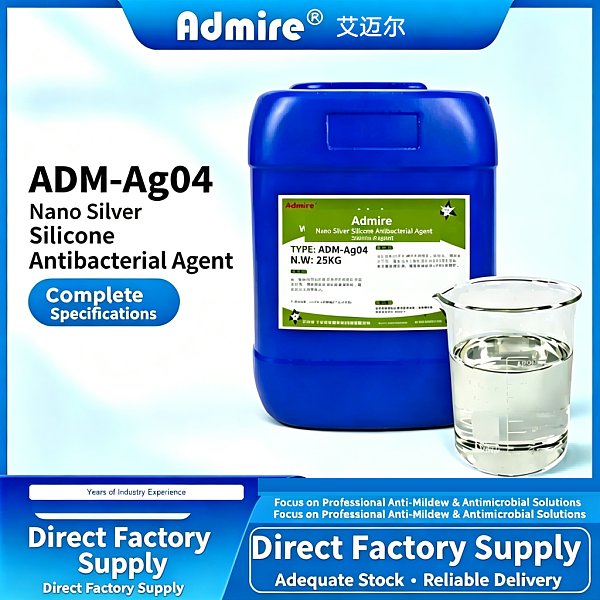
 ADM-Ag04 Nano Silver Silicone Antibacterial AgentADM-Ag04 is a nano silver antibacterial agent specially designed for silicone products. It contains nano silver particles of approximately 10 nm and provides long-lasting antimicrobial protection for suitable silicone formulations, with good compatibility in anionic and nonionic surfactant systems.
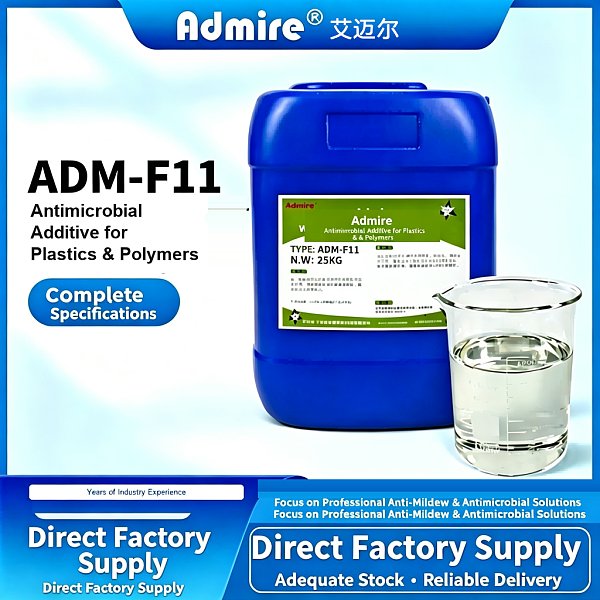
 ADM-F11 Antimicrobial Additive for Plastics & PolymersADM-F11 Antimicrobial additive for plastics and polymers based on N-(trichloromethylthio)phthalimide. Designed to control microbial and fungal growth in PVC, TPE, TPU, silicone sealants, and polymer-coated textiles.
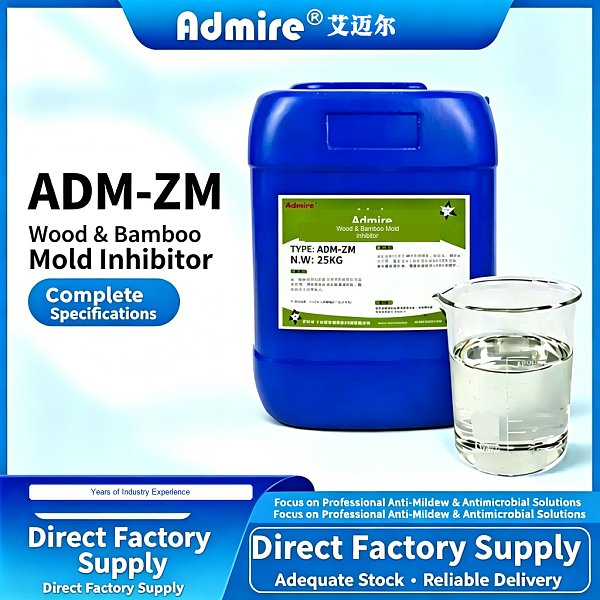
 ADM-ZM Wood & Bamboo Mold InhibitorADM-ZM wood mold inhibitor solutions are designed to help protect timber, wood products, and bamboo materials from mold and mildew growth caused by moisture, humidity, and long-term storage. Suitable for wood processing, furniture, flooring, packaging, bamboo products, and other wood-based applications, our solutions can be selected according to the material, processing method, and required protection period.
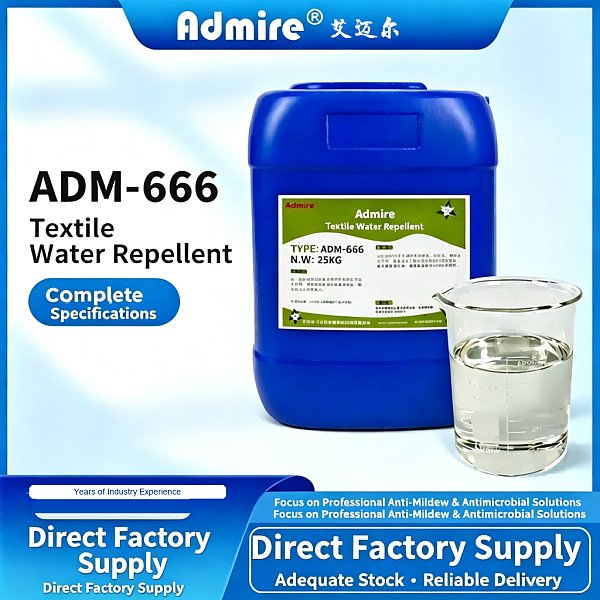
 ADM-666 Textile Water Repellent AgentADM-666 is a water-based fluoropolymer water-repellent agent designed for textile fabrics. It is suitable for polyester, nylon, polyester/cotton blends, and especially cotton fabrics. The treatment creates a hydrophobic surface to provide durable water repellency while helping maintain fabric breathability and original hand feel.
Solution Development Process
From Material Evaluation to Performance Testing
Confirm polymer type, color requirements, and intended application.
Select a suitable protective masterbatch based on the polymer system and target performance requirements.
Evaluate appropriate dosage and processing conditions through small-scale trials.
Optimize processing temperature, mixing conditions, and relevant production parameters to achieve consistent performance.
Verify antimicrobial and anti-mold performance while checking mechanical properties and color stability.
Applications
Plastic Applications We Support
Our protection solutions can be adapted to a wide range of plastic products and industries.
Packaging
Containers, films & closures
Automotive
Interior components
Home Appliances
Plastic housings & components
Toys & Children's
Baby products
Bathroom & Sanitary
PVC/TPR fittings
Medical Devices
Medical and healthcare plastics
Technical Considerations
What Should Be Confirmed Before Production?
Material & Process
- Polymer type (PP/PE/ABS/PA/PVC/TPR)
- Processing method (injection/extrusion/blow molding)
- Melt temperature range
- Color and transparency requirements
Performance Requirements
- Target anti-mold or antibacterial performance
- Applicable food-contact, medical or customer-specific compliance requirements
- Mechanical performance requirements
- Applicable customer specifications
FAQ
Frequently Asked Questions
Yes. Depending on the polymer system, processing method, and target performance, compatible anti-mold and antibacterial additives can be combined in a single masterbatch system. For applications requiring both protections, compatible additive systems can be evaluated based on polymer type, processing method, and target performance.
The recommended dosage depends on the polymer type, target antimicrobial performance, processing conditions, and final application. Contact our technical team for a product-specific recommendation.
Using masterbatch form and surface-modified fine particles can help preserve color stability and mechanical strength while providing effective protection.
Yes. We can evaluate your material and application requirements and arrange suitable samples for laboratory or production trials.
Not Sure Which Plastic Protection Solution Fits Your
Application?
Share your polymer type, processing conditions, and target performance
requirements with our technical team. We can help identify suitable products
for evaluation and testing.
Thank you very much for writing to us. Please leave your message and contact information, we will reply to you within 24 hours.